Collector's Challenge
Fiddle Leaf Fig
Scientific Name
Ficus lyrata
Family
Moraceae
Native Region
Lowland tropical rainforests of western Africa
Growth Rate
Moderate
Origin + Story
The room-changer. Earned every bit of its reputation.
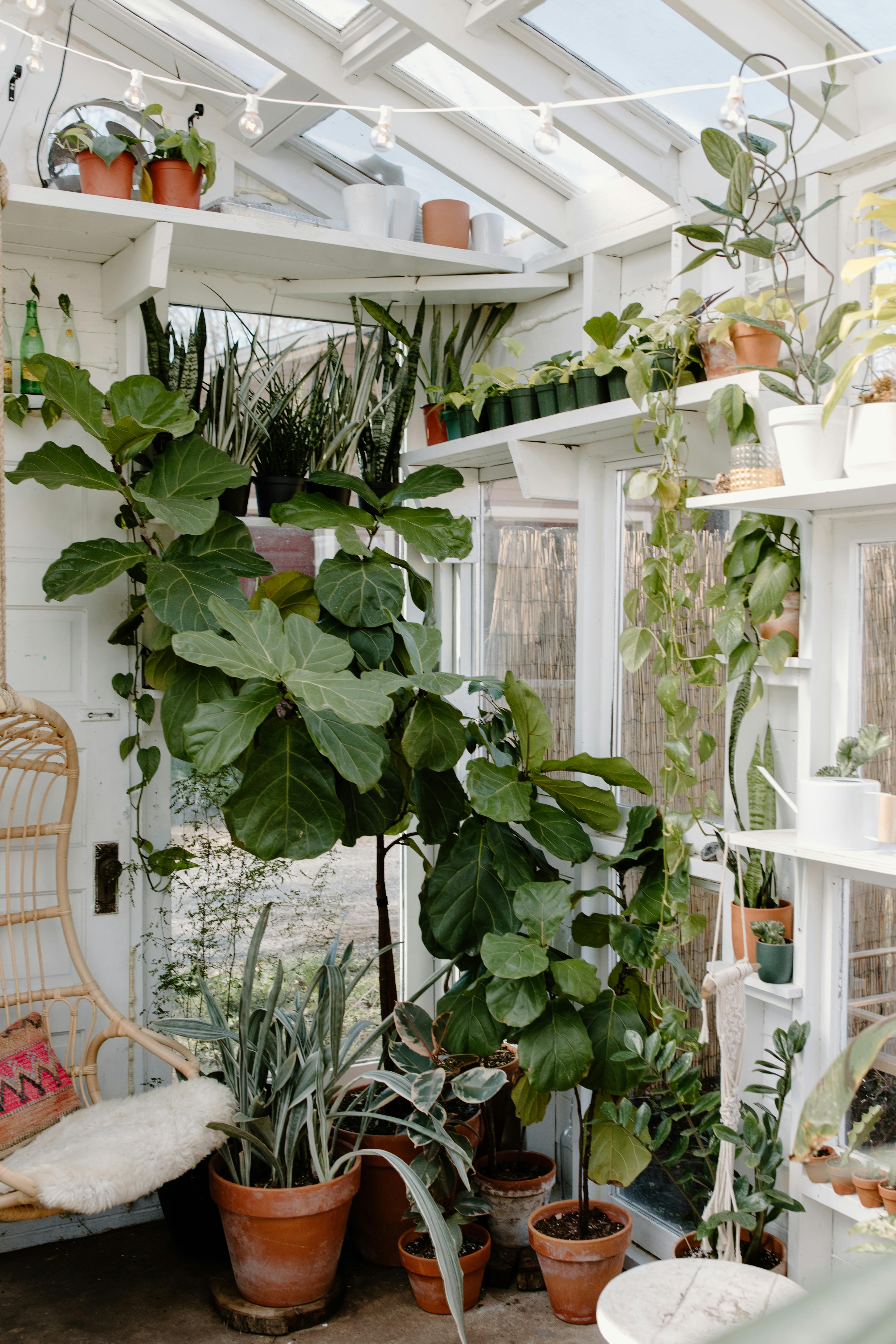
Native to the lowland tropical rainforests of western Africa, where it grows as a towering tree with a wide, dramatic canopy. In the wild it can reach forty feet or more. Indoors, it stays sculptural and statement-sized, holding the room without trying.
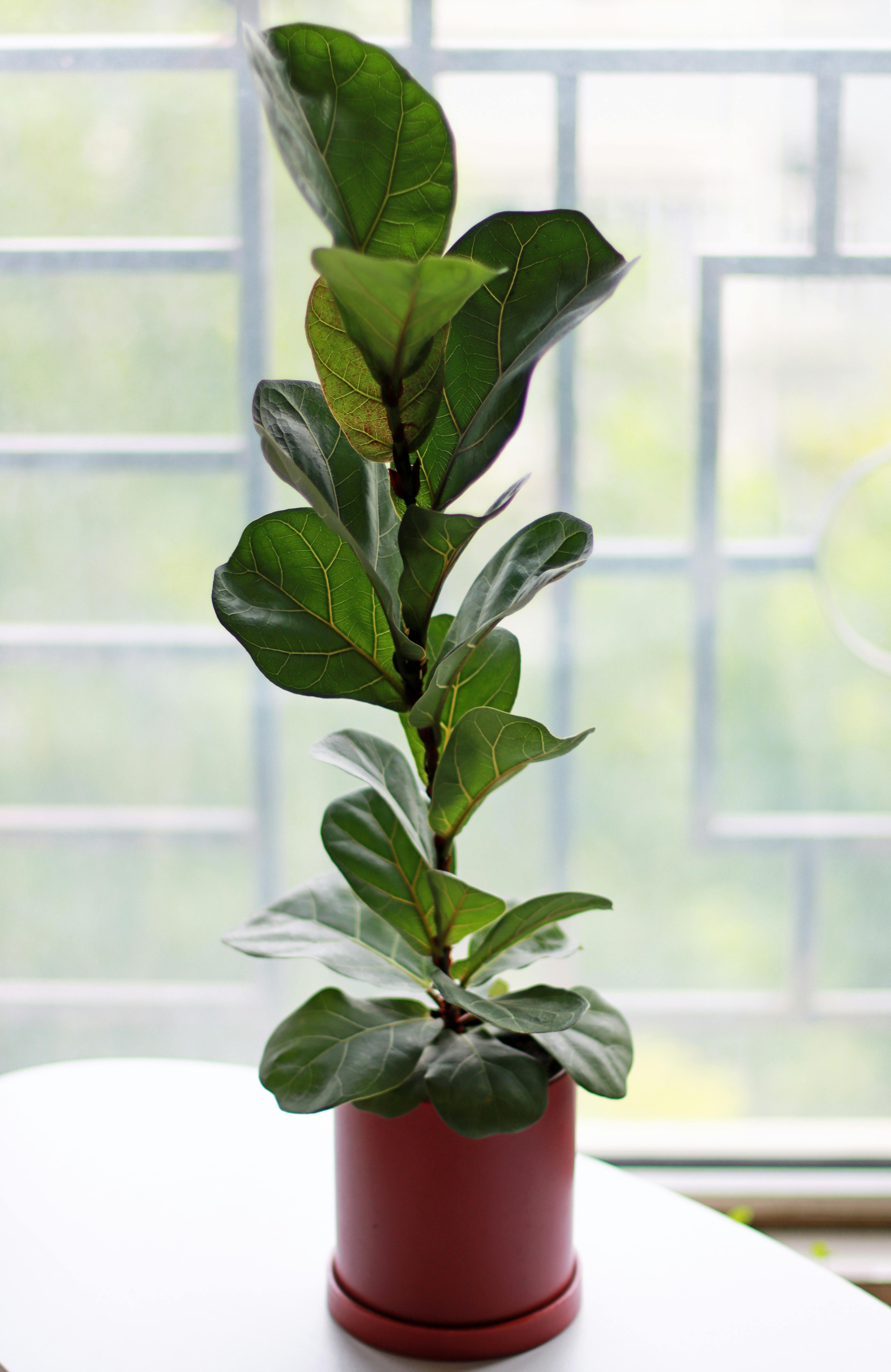
Glossy, violin-shaped leaves with prominent veining. Holds itself upright with quiet confidence. Looks engineered, but isn't.
Grows well alongside bright corner spaces, linen textiles, terracotta and stoneware planters, and neutral walls that let the leaves carry the room.
Care guide
Light: Bright indirect light, with gentle morning sun welcome.
Water: Water thoroughly when the top 2 inches of soil are dry.
Humidity: Average household humidity, happiest above 50%.
Temperature: 65 to 75°F. Keep away from drafts and cold windows.
Soil: Well-draining, chunky mix. Standard houseplant soil amended with orchid bark and perlite.
Growth Rate: Moderate.
Detailed care
Light
Bright, indirect light is non-negotiable. A few hours of soft morning sun is welcome. Direct afternoon sun will scorch the leaves.
Watering
Water deeply when the top 2 inches are dry. Drainage is essential. The fiddle does not forgive standing water, and it does not forgive drought.
Humidity
Tolerates average rooms, but grows best at 50% or higher.
Soil
Well-draining, chunky mix. Standard houseplant soil amended with orchid bark and perlite.
Feeding
Balanced liquid fertilizer monthly during spring and summer.
Common Issues
Brown spots: Usually overwatering or root rot. Check the soil before assuming anything else.
Leaf drop: A response to change. Moving locations, drafts, or sudden shifts in light. Pick a spot and leave it.
Crispy edges: Underwatering or low humidity.
Grows well with
Plants that share a trait: same family, similar care, or complementary aesthetics.