Easy to Moderate
Split Leaf Philodendron
Scientific Name
Thaumatophyllum bipinnatifidum
Family
Araceae
Native Region
Subtropical forests of southern Brazil, Paraguay, and northern Argentina
Growth Rate
Moderate to Fast
Origin + Story
Tropical scale, indoor manners.
Naming note. Reclassified in 2018 from Philodendron bipinnatifidum (and the even older Philodendron selloum) to Thaumatophyllum bipinnatifidum. All three names are still in circulation at retail. Also worth noting: 'Split Leaf Philodendron' is sometimes used for Monstera deliciosa, which is a different plant altogether. Different genus, different growth habit, different listing.
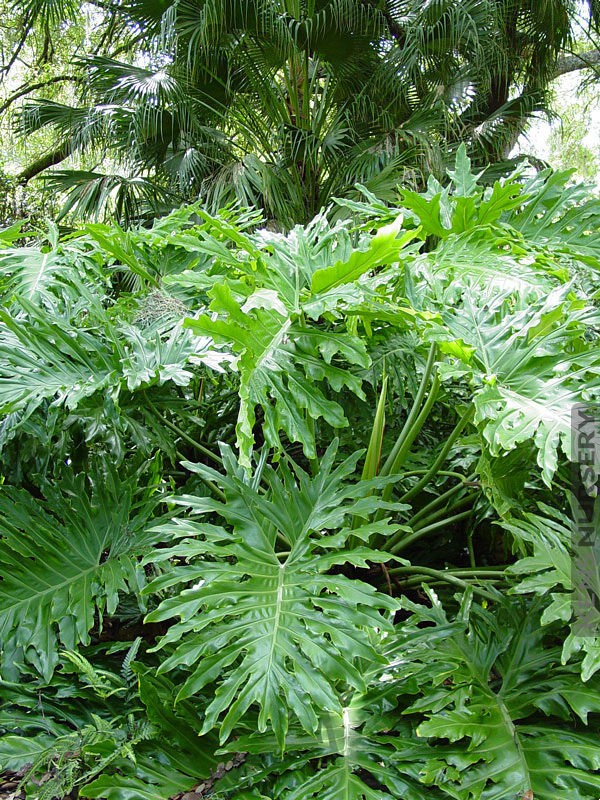
Native to the subtropical forests of southern Brazil, Paraguay, and northern Argentina. Unlike most aroids, it doesn't climb. It grows as a self-heading plant, sending out deeply lobed leaves from a thick central stem. Mature specimens develop a sculptural, almost prehistoric trunk over time.
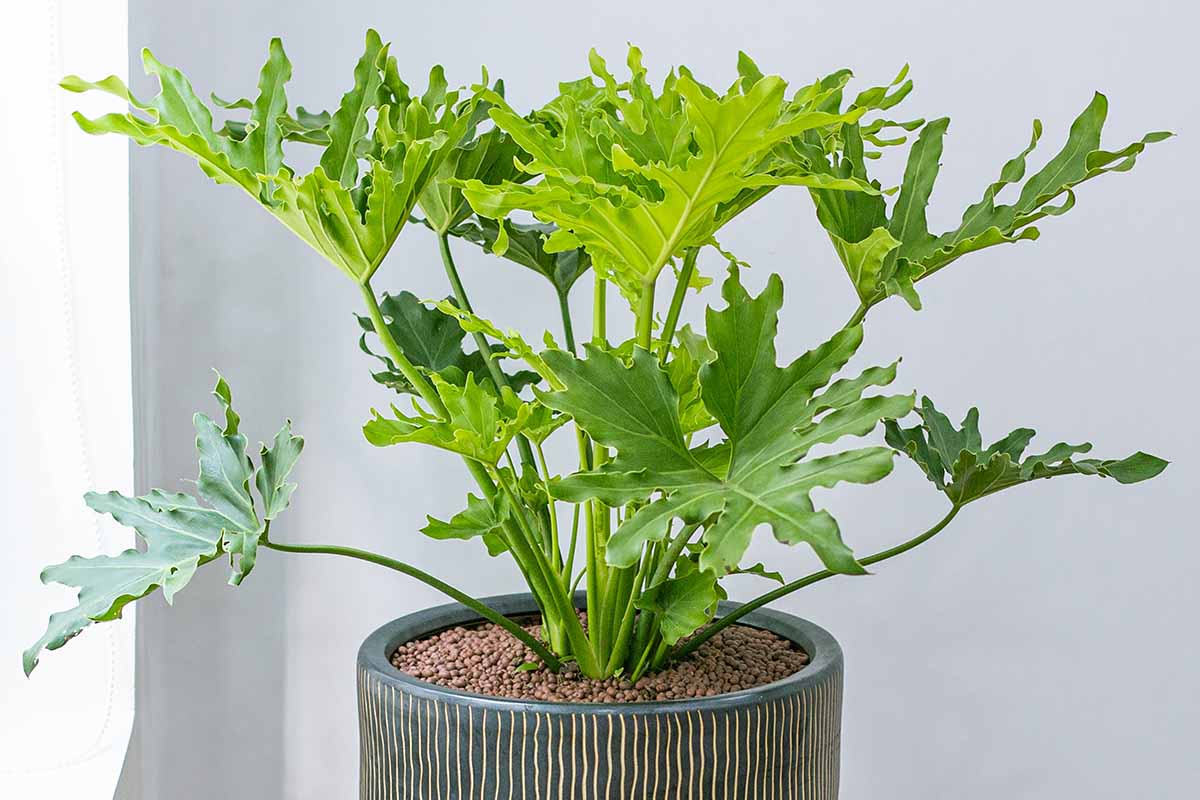
Deeply lobed, glossy green leaves with a feathered, almost hand-drawn silhouette. Grows wide and architectural. The kind of plant that makes a room feel like a greenhouse without trying to. Grows well with open floor space, sun-flooded corners, large terracotta or stoneware planters, and rooms with ceilings that can take a little drama.
Care guide
Light: Bright indirect light. Tolerates some direct morning sun.
Water: When the top 1 to 2 inches of soil are dry.
Humidity: 50% and up. Tolerates average rooms.
Temperature: 65 to 85°F.
Soil: Rich, well-draining mix. Standard aroid blend with extra perlite.
Growth Rate: Moderate to fast. Spreads wide as much as up.
Detailed care
Light
Bright, indirect is ideal. A few hours of soft morning sun is welcome. Strong afternoon light will scorch the leaves.
Watering
Water thoroughly when the top 1 to 2 inches are dry. Reduce in winter. Drainage is essential.
Humidity
Happiest at 50% or higher. Will tolerate average household humidity without complaint.
Soil
Rich, well-draining mix. A standard aroid blend with extra perlite works well.
Feeding
Balanced fertilizer monthly during spring and summer. This is a heavy feeder when actively growing.
Space
Plan for spread. Mature leaves can reach 2 to 3 feet across, and the plant grows out as much as up. Not a small-space plant.
Common Issues
Yellowing leaves: Usually overwatering, sometimes natural shedding of older lower leaves.
Leggy growth: Reaching for light. Move closer to a bright window.
Brown leaf edges: Low humidity or inconsistent watering.
No splits in new leaves: Young plants produce solid leaves first. Splits develop as the plant matures and receives adequate light.
Grows well with
Plants that share a trait: same family, similar care, or complementary aesthetics.