Plants communicate constantly. They just do it slowly, quietly, and without words. By the time a leaf turns fully yellow or drops to the floor, the problem started weeks ago. The good news is that most plants give you a series of small, readable signals well before anything dramatic happens. Learning to catch those signals early is the single most useful skill you can develop as someone who keeps living things.
This is not a comprehensive diagnostic guide. It is a field manual for the daily glance. The thirty-second check-in that becomes second nature once you know what to look for.
Leaves Are the First Conversation
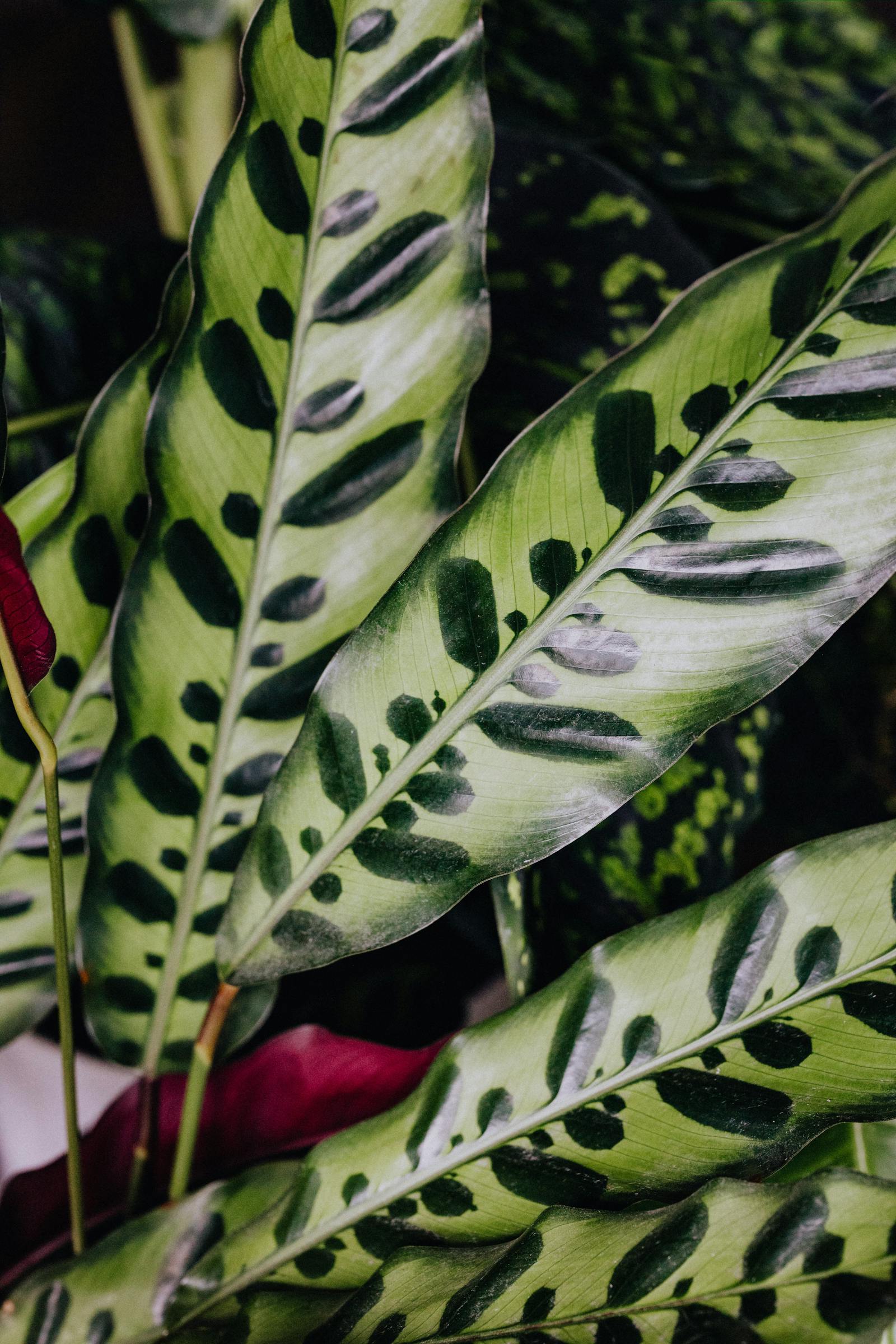
Leaves are where most visible communication happens. They change color, texture, position, and shape in response to their environment, and each shift means something specific.
Yellowing Leaves
A single lower leaf turning yellow and dropping is usually just natural aging. The plant redirects energy from older growth to newer leaves. This is normal on most tropical houseplants and nothing to worry about.
Multiple leaves yellowing at once, especially across different parts of the plant, is almost always a watering issue. Overwatering is the most common cause. When roots sit in waterlogged soil, they lose access to oxygen, begin to rot, and can no longer absorb nutrients. The leaves yellow because the plant is starving, even though there is plenty of water. Check the soil. If it feels soggy or has a sour smell, overwatering is your answer. Let it dry out thoroughly and reassess your watering schedule.
Brown Tips
Crispy brown tips on otherwise healthy leaves usually point to low humidity. Most tropical houseplants evolved in environments with 60% humidity or higher, and the average home sits between 30% and 50%, especially in winter when heating systems dry the air further. Grouping plants together, placing them on pebble trays, or running a humidifier nearby all help.
Brown tips can also come from mineral buildup if you water with hard tap water. Fluoride and chlorine accumulate in the soil over time and burn leaf edges. If this is the issue, switch to filtered water or let tap water sit out overnight before using it.
Curling Leaves
Leaves curling inward are usually trying to reduce their surface area to conserve moisture. This is a thirst response. Check the soil and water if it is dry. Leaves curling downward and feeling soft often indicate overwatering or root stress. Leaves curling upward with dry, papery edges suggest heat stress or too much direct light.
Drooping
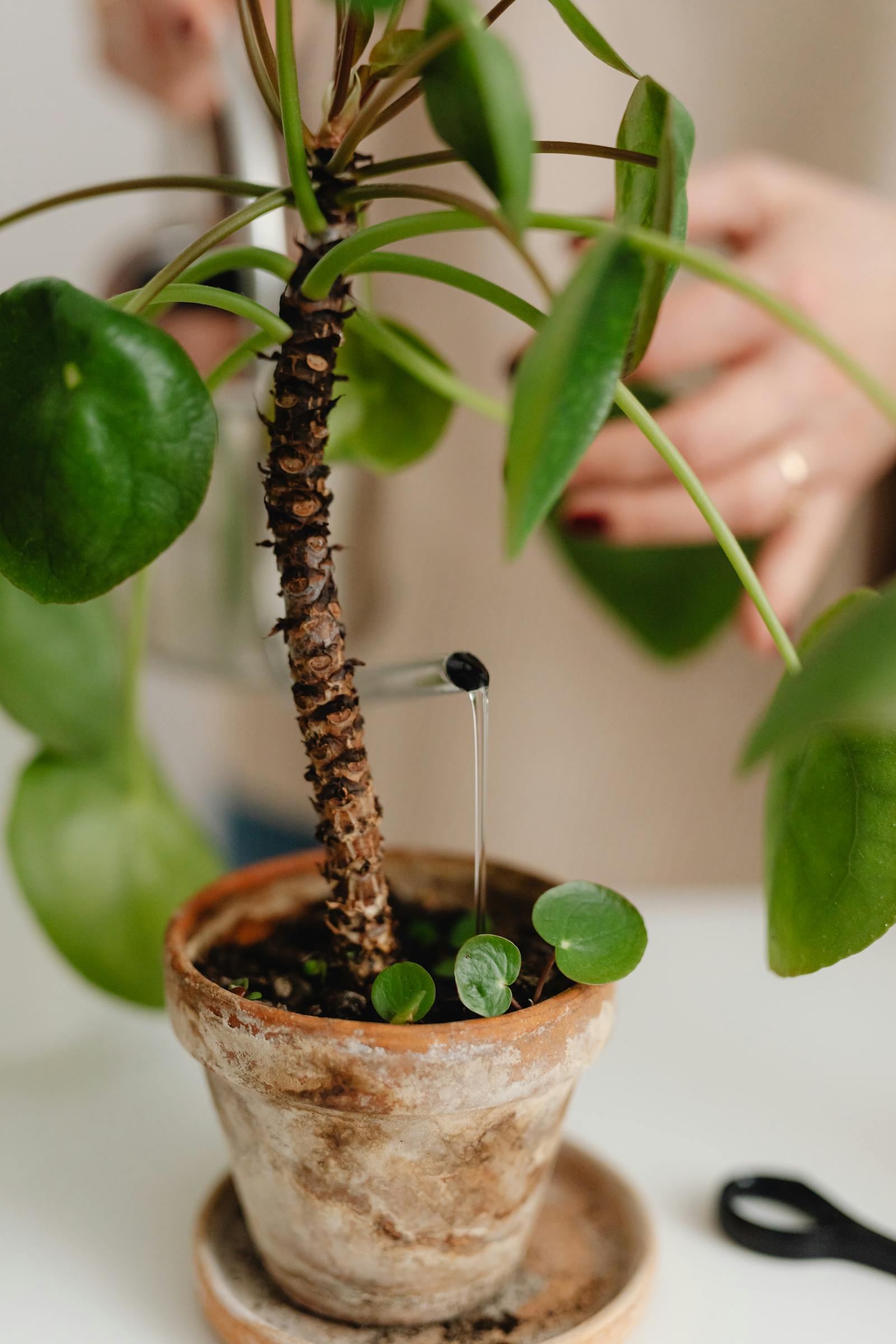
Drooping is one of the most dramatic signals, but it can mean opposite things depending on the soil. If the soil is dry, the plant needs water and will usually perk up within a few hours of a thorough soak. If the soil is wet and the plant is drooping, the roots are likely damaged from overwatering and the plant cannot uptake water despite having plenty around it. This is more serious and may require repotting into fresh, dry soil.
Light Signals
Plants rarely complain about light with a single obvious symptom. Instead, the signals are gradual and show up in growth patterns over weeks.
Stretching and Leaning
When a plant grows leggy with long gaps between leaves, it is reaching for more light. This stretching, called etiolation, means the plant is getting less light than it wants. Move it closer to a window or to a brighter spot. Leaning hard toward one direction means the light source is uneven. Rotate the pot a quarter turn every time you water to keep growth balanced.
Pale or Washed-Out Leaves
Leaves that lose their deep green color and turn pale or bleached are often getting too much direct sunlight. Most tropical houseplants evolved under a forest canopy and prefer bright, indirect light. Direct afternoon sun through a south- or west-facing window can be too intense, especially in summer. Pull the plant back a few feet from the window or filter the light with a sheer curtain.
Root Signals
Roots are hidden, but they send signals to the surface if you know how to read them.
Roots Coming Out of Drainage Holes
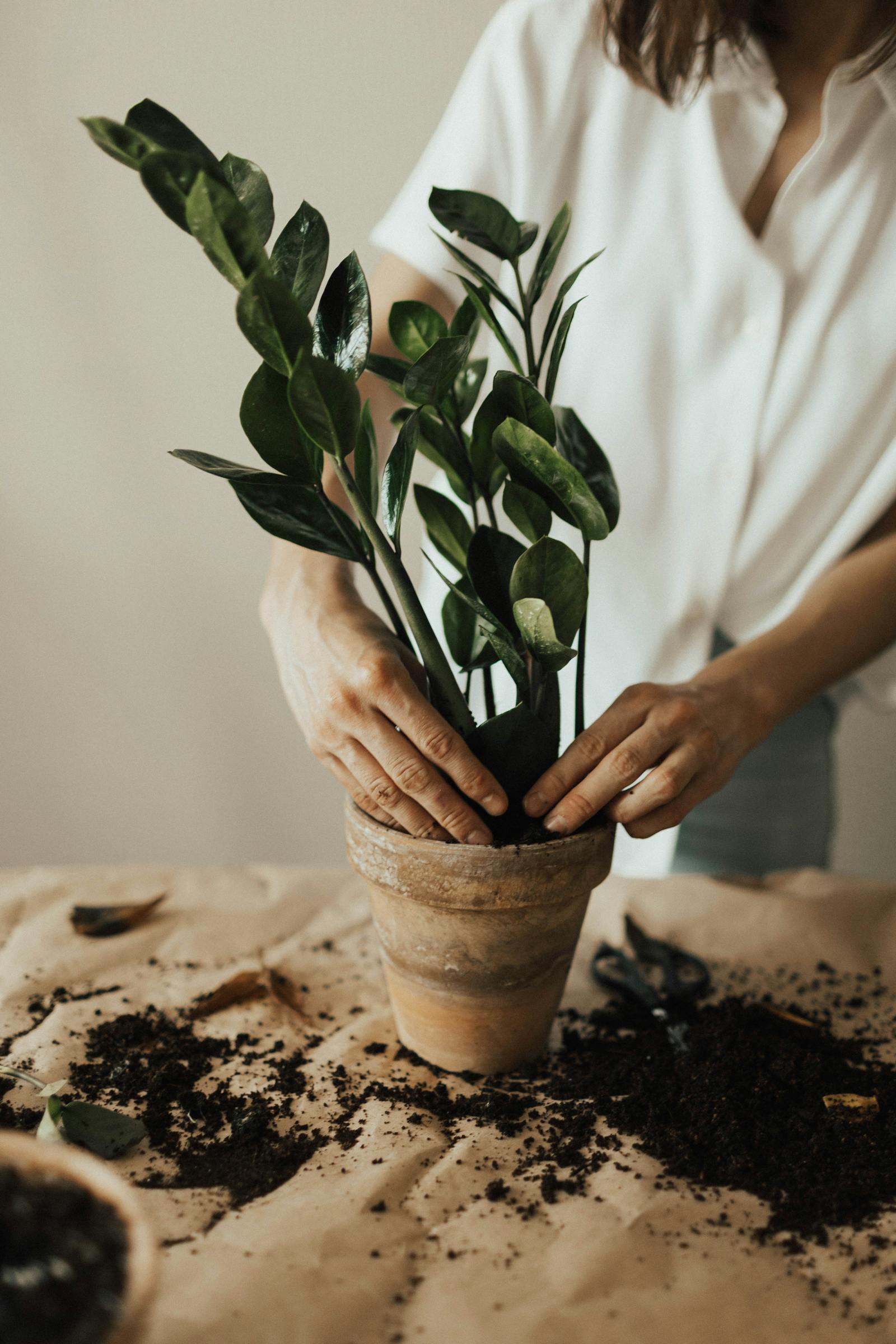
This means the plant has filled its current pot and is looking for more room. It is time to repot into a container one to two inches larger in diameter. Spring is the ideal time, but if the plant is severely rootbound, do not wait.
Soil Drying Out Unusually Fast
If you are watering more frequently than usual and the soil seems to dry within a day or two, the root system has likely consumed most of the soil volume. The pot is more roots than growing medium. Time to size up.
The Daily Glance
You do not need to inspect every leaf with a magnifying glass. Develop a habit of looking at your plants for a few seconds each morning. You will start to notice posture changes, color shifts, and growth patterns without thinking about it. Over time, the signals become obvious. You will see the droop before it fully droops. You will catch the curl before the crisp.
The best plant advice is the simplest: pay attention. Everything else follows.
More Plant Notes
Rooting for more? Here's some more articles you might enjoy!