Ask most people about plant care and they will talk about light and water. Fair enough. But the medium those roots live in affects everything: how water moves, how air reaches the root zone, how nutrients are delivered, and how fast the soil dries. Bad soil can undermine even perfect watering habits. Good soil can make a mediocre plant person look gifted.
What Soil Actually Does
Soil has three primary jobs in a pot. It anchors the roots. It holds moisture so roots can absorb water. And it provides air pockets so roots can breathe. The ideal soil for any given plant balances moisture retention and drainage for that species' specific needs.
Why Standard Potting Mix Falls Short
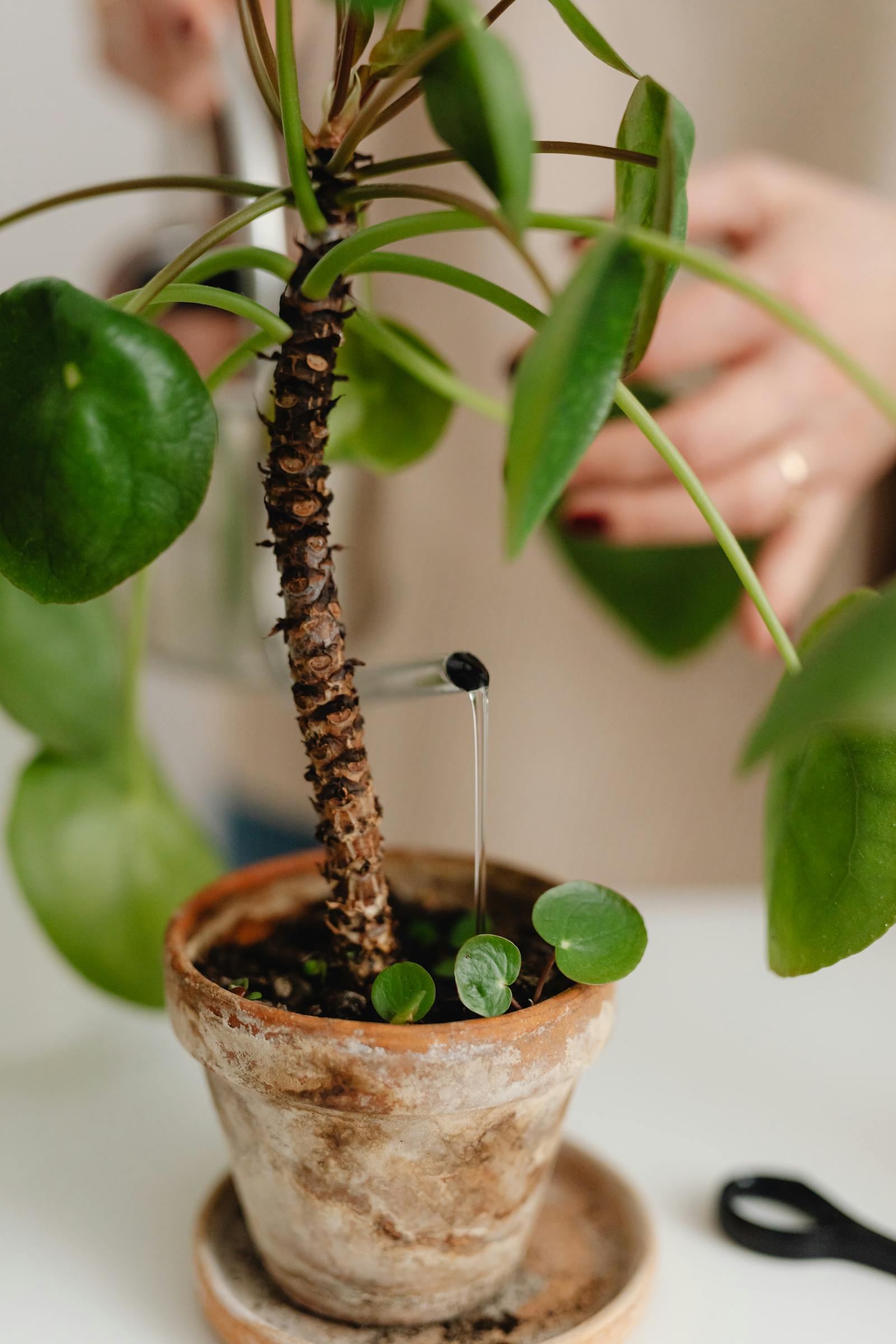
Most bagged potting mixes are peat-based and designed to retain moisture. For indoor houseplants in lower light, that same moisture-retentive mix stays wet for too long. Peat-based mixes also become hydrophobic when they fully dry out.
The Core Amendments
Perlite - Creates air pockets and improves drainage. Adding 20-30% perlite to any standard potting mix is the single easiest improvement most people can make.
Orchid Bark - Chunky pieces that create large air pockets and drain quickly. Key component of aroid mixes.
Coco Coir - A sustainable alternative to peat moss. Retains moisture well without becoming as compacted or hydrophobic as peat when dry.
Pumice - Similar to perlite but heavier and more durable. Excellent for succulent and cactus mixes.
Worm Castings - A gentle, slow-release organic fertilizer that improves soil structure.
Three Mixes for Most Houseplants
The Aroid Mix (Monsteras, Philodendrons, Pothos, Anthuriums)
Roughly equal parts potting soil, orchid bark, and perlite. Chunky, well-draining, lets roots breathe.
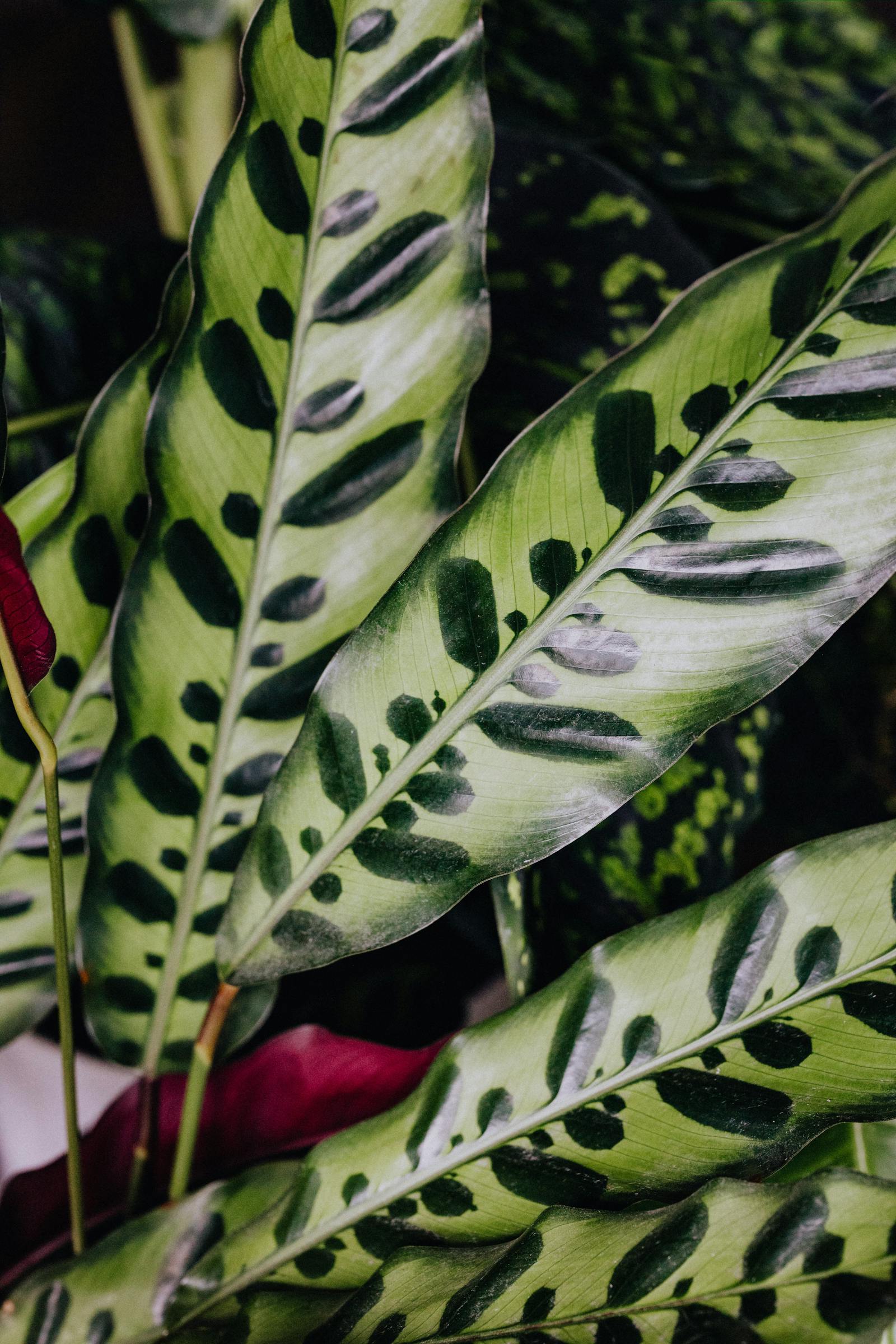
The Tropical Mix (Calatheas, Ferns, Marantas, Fittonias)
Two parts potting soil or coco coir, one part perlite, and a handful of worm castings. Holds consistent moisture without waterlogging.
The Succulent and Cactus Mix
One part potting soil, one part coarse sand or pumice, one part perlite. Drains fast and dries quickly.
When to Refresh or Replace Soil
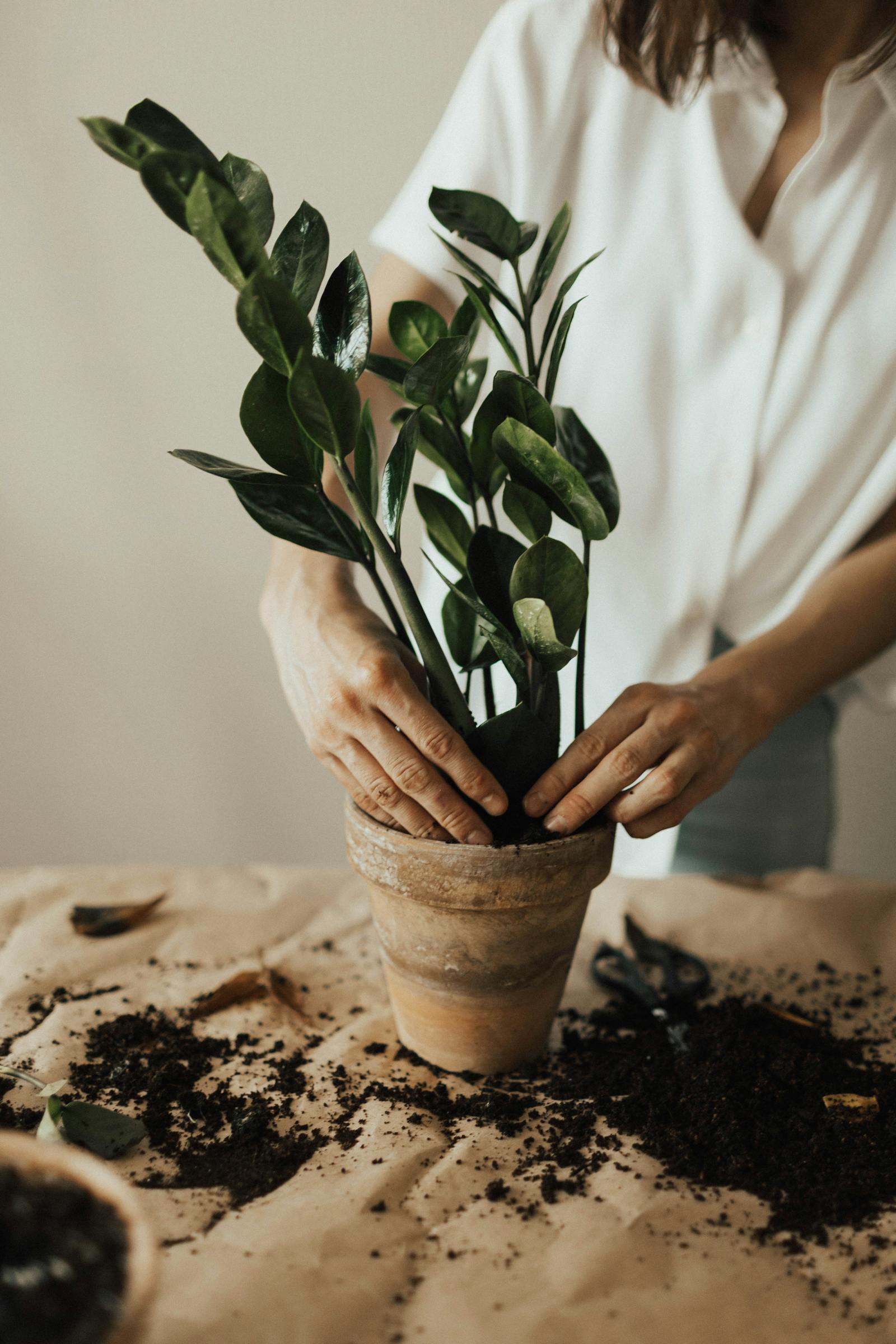
Most houseplants benefit from a soil refresh every one to two years. Signs that soil needs replacing: it stays wet much longer than it used to, it has a sour smell, it is visibly compacted, or it no longer absorbs water.
Get the soil right and half your plant problems solve themselves.
More Plant Notes
Rooting for more? Here's some more articles you might enjoy!