Calatheas have a reputation, and it is mostly earned. They brown. They crisp. They protest low humidity like it is a personal offense. Ask any plant community and someone will tell you calatheas are drama. And they are right.
But here is the thing. Few houseplants look like calatheas look. The patterns on their leaves, the way they move throughout the day, the sheer variety of markings and colors across species. If you are willing to meet them where they are, the payoff is a plant that genuinely feels alive in a way most houseplants do not.
What Makes Calatheas Different
Calatheas belong to the Marantaceae family, commonly called the prayer plant family. Their defining trait is nyctinasty: the leaves fold upward at night and open during the day, driven by changes in the water pressure within a small joint at the base of each leaf called the pulvinus. If you listen closely in a quiet room at dusk, you can sometimes hear a faint rustling as the leaves move.
In their native habitat across the tropical forests of Central and South America, calatheas grow on the forest floor under dense canopy cover. They never see direct sunlight. They live in consistently warm temperatures and high humidity. Everything about their care preferences follows from this origin.
Why People Struggle
Humidity - The biggest issue. Calatheas want 50-60% humidity at minimum. Most homes sit at 30-50%. A humidifier is the most effective solution.
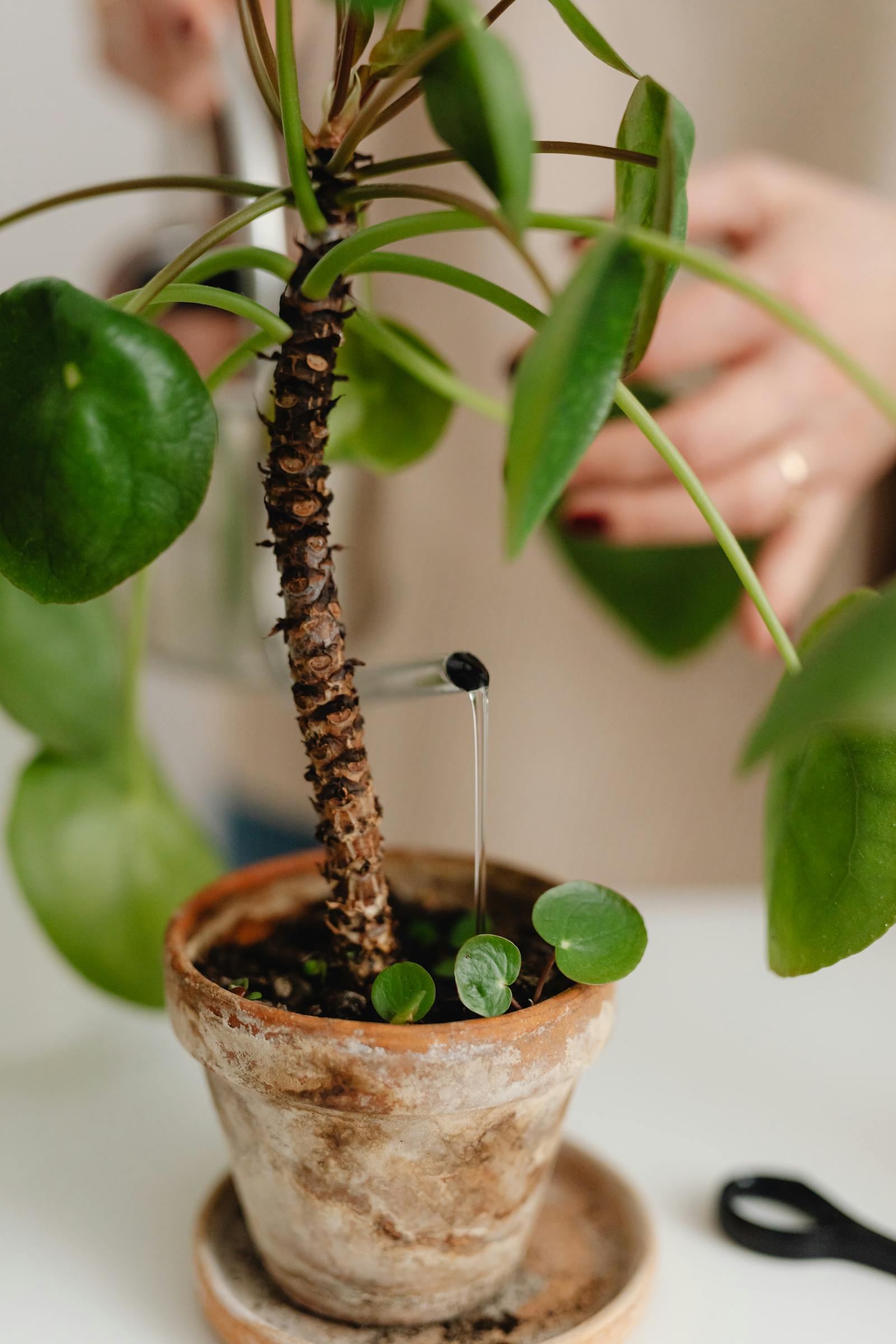
Water Quality - Calatheas are unusually sensitive to fluoride, chlorine, and mineral buildup in tap water. Using filtered water or rainwater makes a real difference.
Light - They want bright indirect light but absolutely no direct sun, which will bleach and burn the leaves.
The Varieties Worth Knowing
Calathea orbifolia - Large, round leaves with wide silver and green stripes. One of the most visually striking houseplants in any genus.
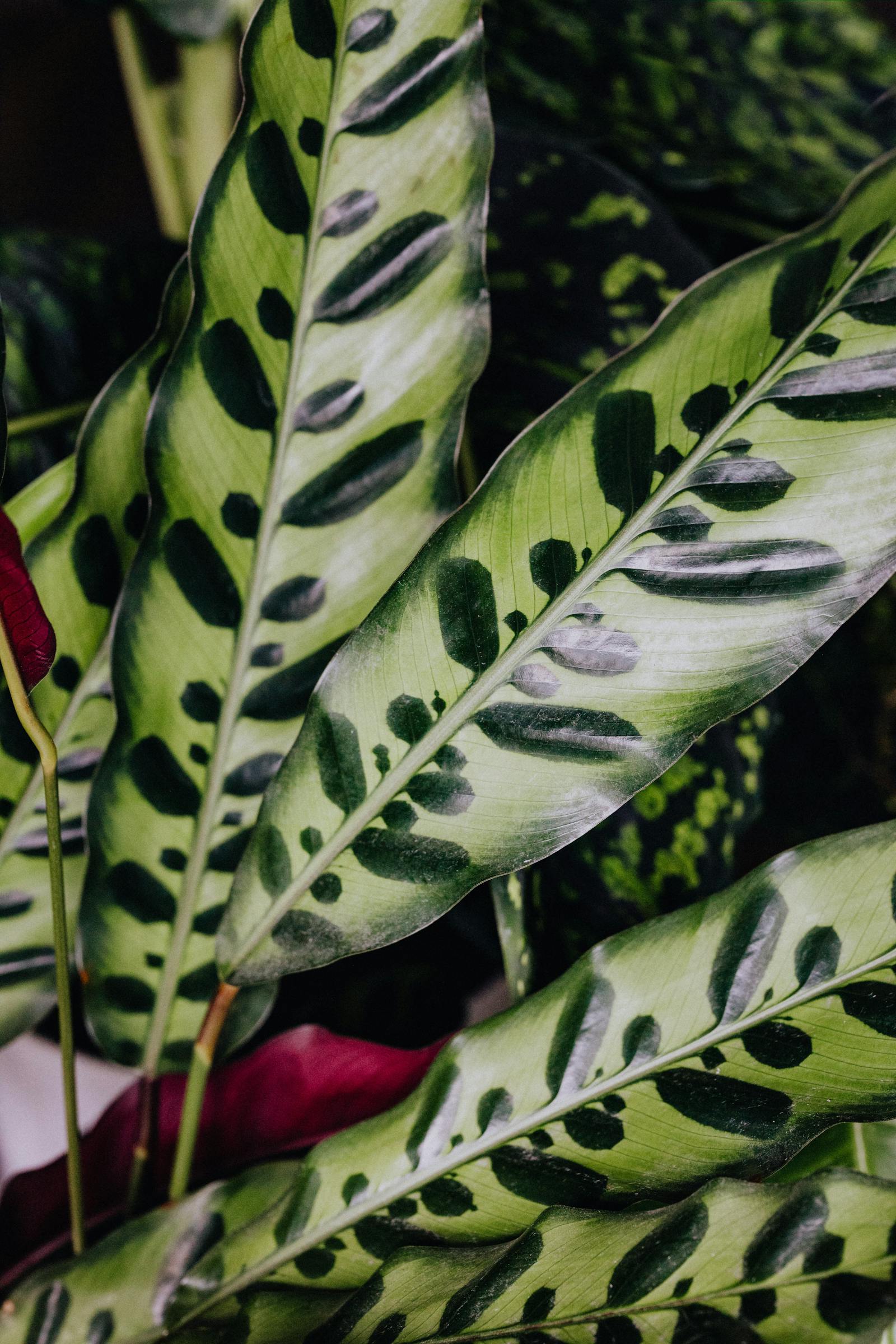
Calathea lancifolia (Rattlesnake Plant) - Long, narrow, wavy leaves with dark green spots. More forgiving than most calatheas and a good starting point.
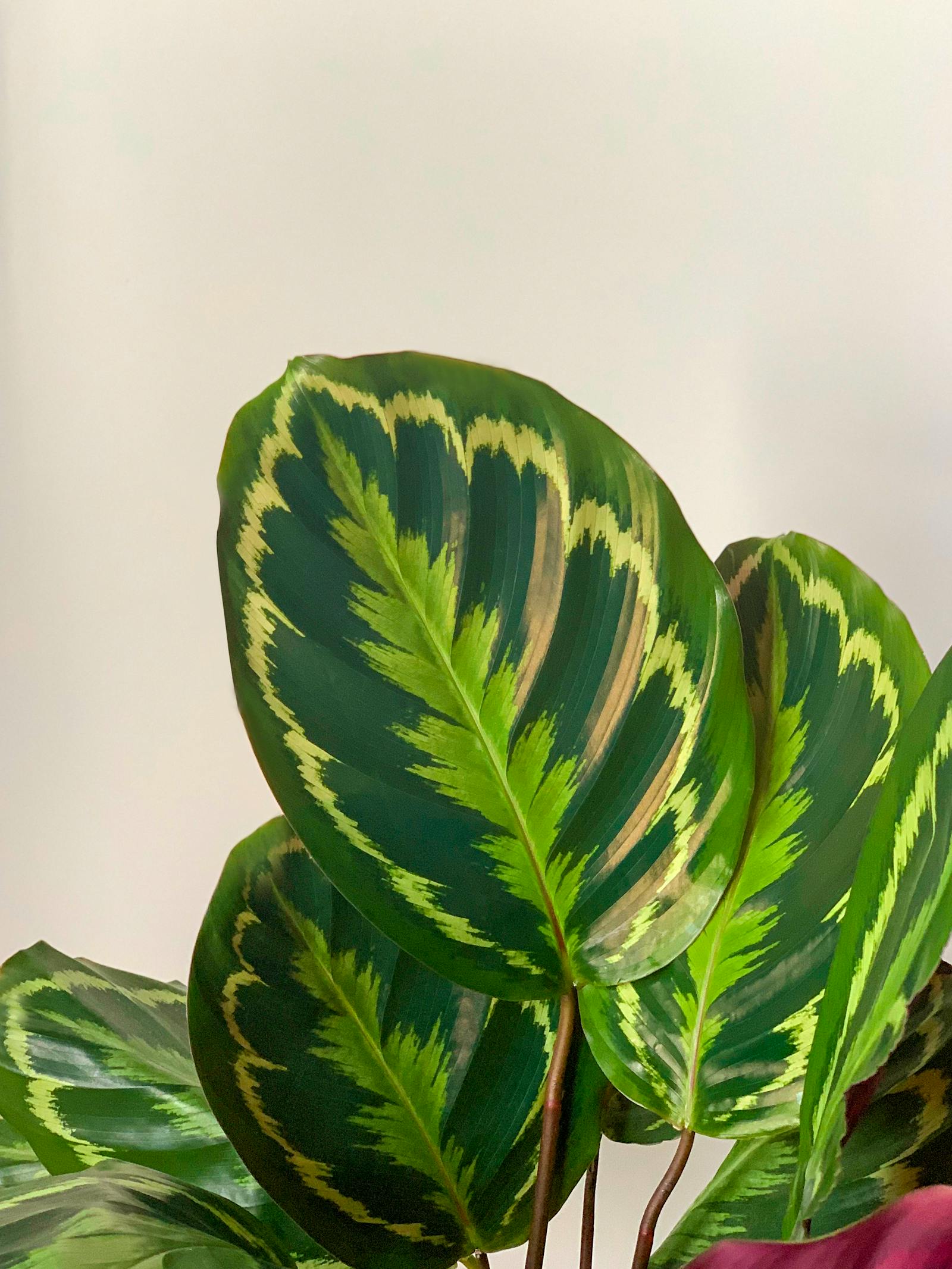
Calathea medallion - Dark green leaves with a feathered pattern in lighter green and cream, and deep purple undersides.
Calathea musaica (Network) - Small, fine-lined mosaic pattern that looks hand-drawn. Relatively tolerant of average humidity. A good choice for beginners.
The Care Basics
Bright indirect light. Consistently moist (not soggy) soil. Filtered or distilled water. Humidity above 50%, ideally 60%. Temperatures between 65-80°F with no cold drafts. Well-draining soil that still holds moisture. Fertilize monthly during the growing season with a diluted balanced fertilizer, and stop in winter.
Why They Are Worth It
Because nothing else looks like them. Because the leaf movement is genuinely fascinating. Because the challenge of keeping one happy teaches you more about plant care than any easy plant ever will. And because when a calathea is thriving, those patterned leaves unfurling in the morning light, there is nothing else in your home that comes close.
Difficult is not the same as impossible. It just means it matters more.
More Plant Notes
Rooting for more? Here's some more articles you might enjoy!