Every year, around late October, the messages start. My monstera hasn't grown in weeks. My pothos dropped a leaf. My fiddle leaf fig looks frozen in time. Is it dying?
Almost certainly not. It is resting. And that rest is not a problem to solve. It is a biological rhythm to respect.
What Dormancy Actually Means
Most tropical houseplants enter a state of slowed or paused growth when light levels decrease and temperatures drop. The plant is not dying. It is conserving energy because the conditions no longer support active growth.
What Changes During Winter
Growth Slows or Stops
Do not expect new leaves between November and February for most tropical houseplants. This is completely normal.
Water Needs Decrease
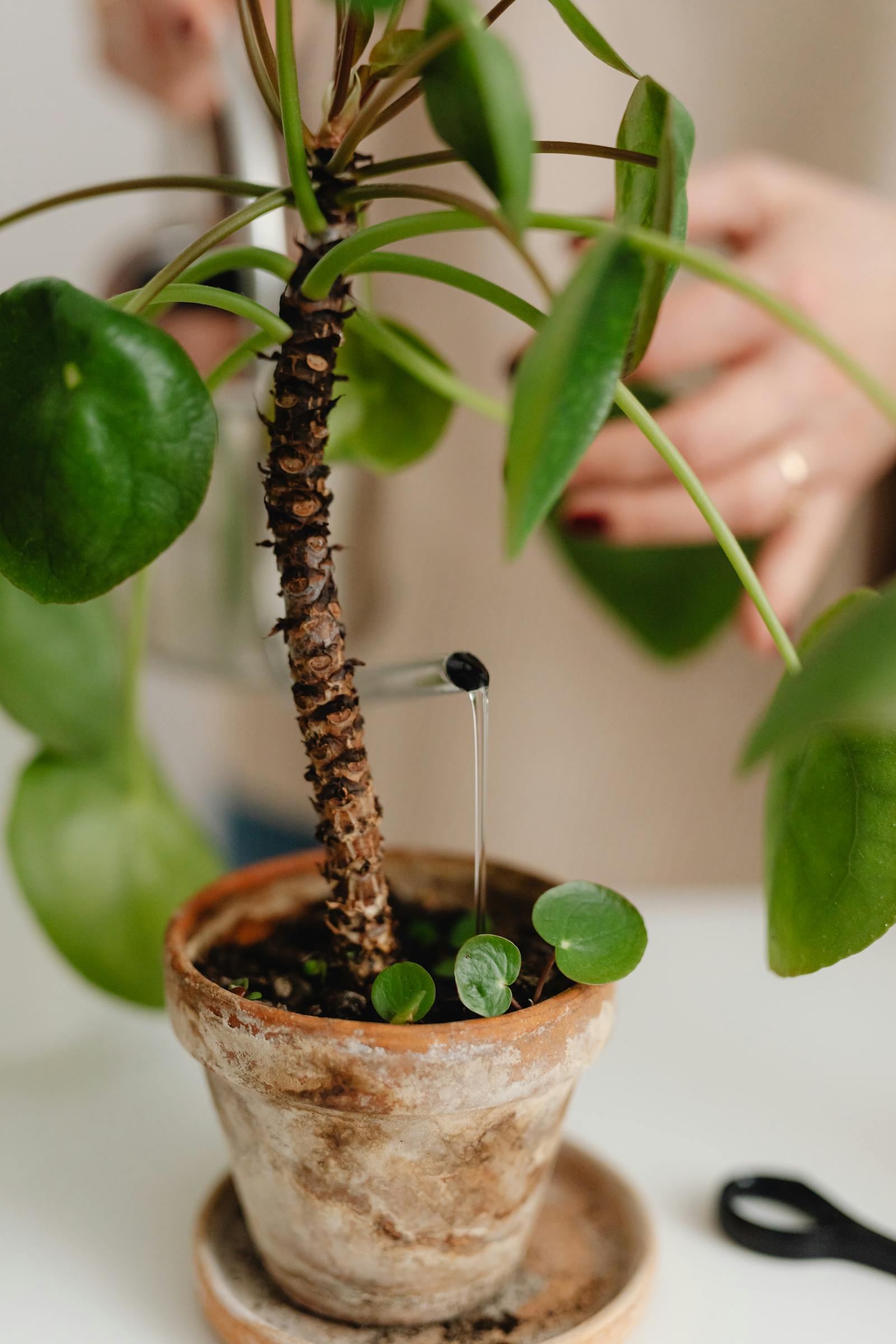
With less light and lower temperatures, the plant uses significantly less water. Soil stays moist longer. Many houseplants that were fine with weekly watering in summer only need water every two to three weeks in winter.
Humidity Drops
Indoor heating systems pull moisture out of the air. Home humidity can drop to 20-30% in winter. You may notice brown leaf tips, dry edges, or increased leaf drop. Grouping plants together, using pebble trays, or running a humidifier can help.
Light Shifts
Days are shorter and the sun sits lower in the sky. Consider moving plants closer to windows. Clean dust off leaves so they can absorb as much light as possible.
What Not to Do
Do Not Fertilize
Excess fertilizer sits in the soil, builds up salt concentration around the roots, and can cause root burn. Resume feeding in spring when you see new growth.
Do Not Repot
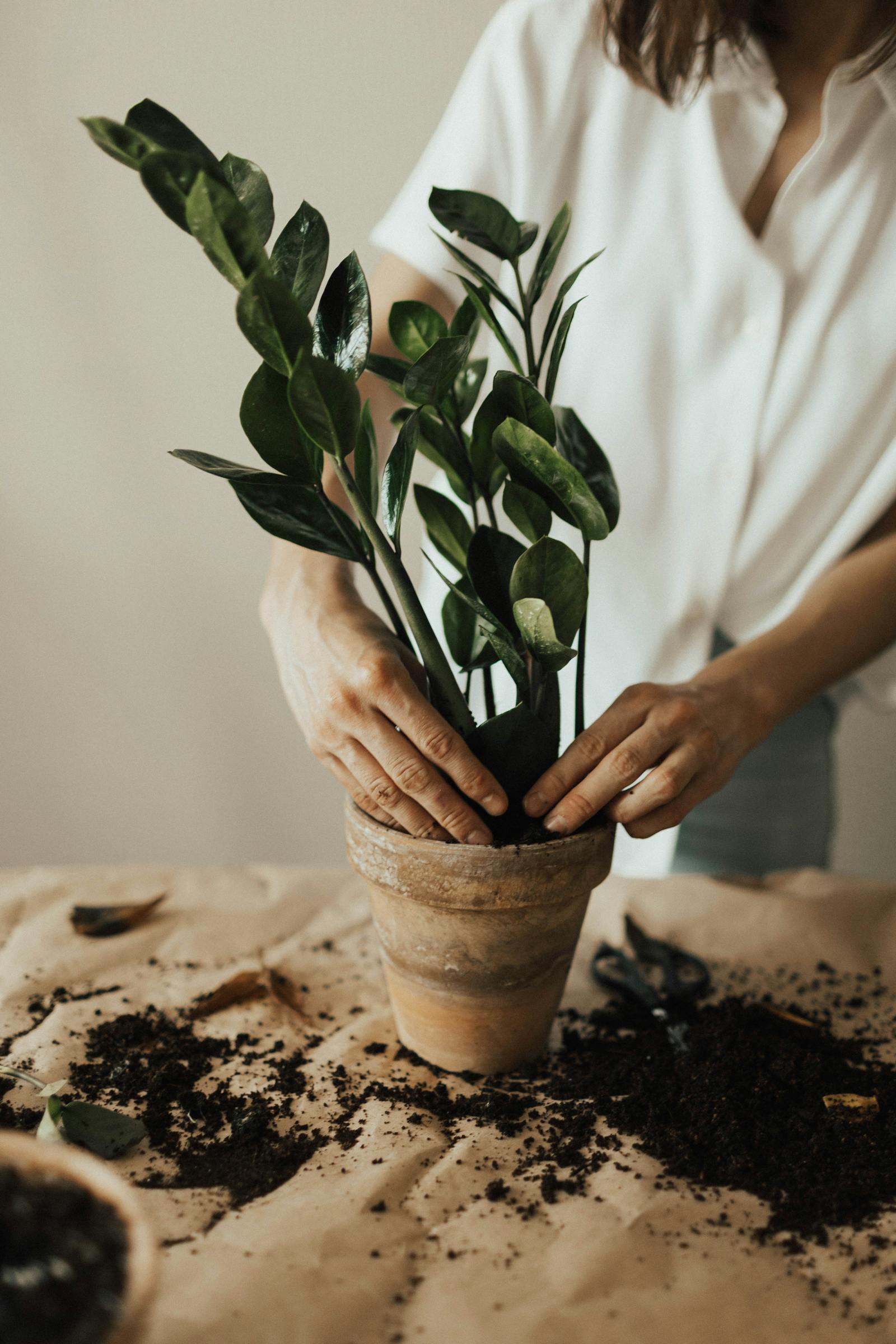
The stress of root disturbance combined with low light and slow growth means the plant has minimal energy to recover. Wait for spring.
Do Not Panic
A dropped leaf or two is normal. Slower growth is normal. As long as the plant is not showing signs of rot, severe wilting, or pest infestation, it is most likely just resting.
What to Do Instead
Water less, check soil more carefully. Increase humidity around tropical plants. Move plants to brighter spots if possible. Clean leaves. Stop fertilizing until spring. Monitor for pests, as stressed plants are more vulnerable to spider mites and mealybugs in dry winter conditions.
Sometimes the best thing you can do for a plant is nothing at all.
More Plant Notes
Rooting for more? Here's some more articles you might enjoy!