More houseplants die from overwatering than from any other single cause. It is not even close. The instinct to water on a fixed schedule ignores the fact that a plant's water needs shift constantly based on light, temperature, humidity, pot size, soil type, and season. A schedule cannot account for any of that. What works in July will drown the same plant in January.
This guide is not about telling you when to water. It is about teaching you how to know.
Why Schedules Fail
A plant in a bright south-facing window in July, in a terracotta pot, in a well-draining soil mix will dry out dramatically faster than the same plant in a north-facing room in December, in a glazed ceramic pot, in dense potting soil. The difference can be as wide as watering every four days versus every three weeks.
The Finger Test
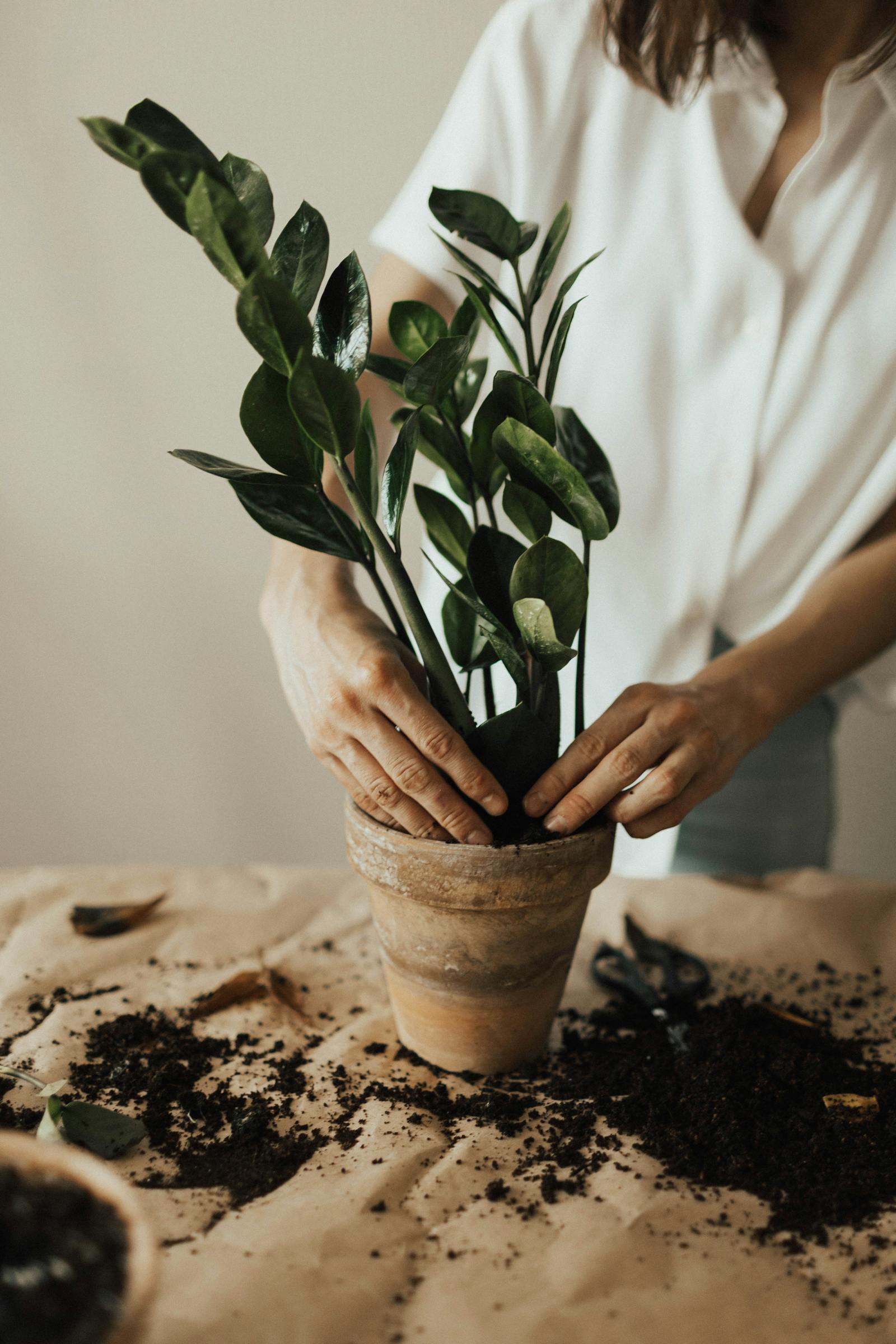
The most reliable watering method for the majority of houseplants is the simplest one. Stick your finger into the soil up to the first or second knuckle, roughly one to two inches deep. If the soil feels moist, do not water. If it feels dry at that depth, water thoroughly.
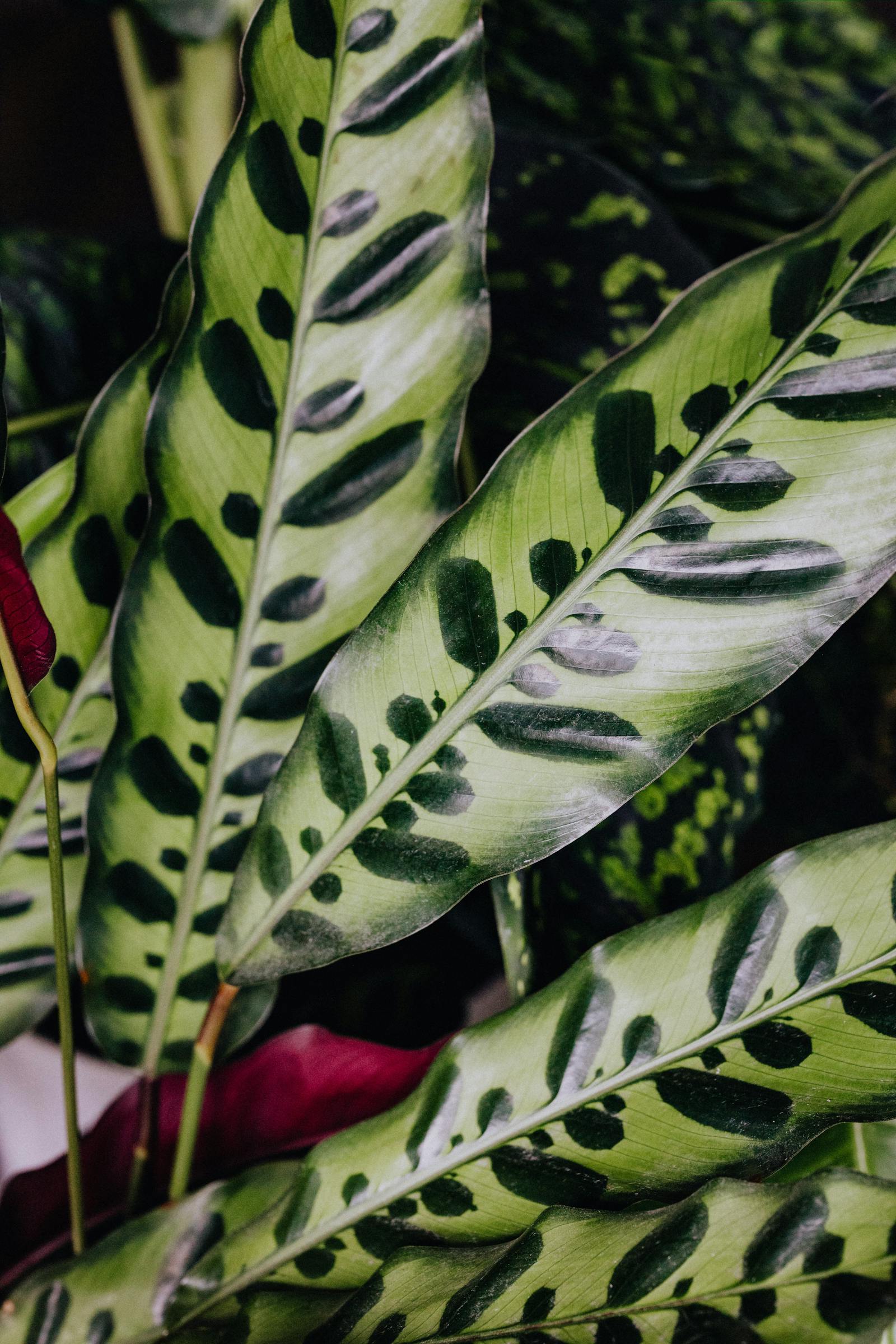
For plants that prefer consistently moist soil (ferns, calatheas), water when the top inch feels dry. For plants that prefer to dry out between waterings (succulents, snake plants, ZZ plants, pothos), wait until the soil is dry two to three inches down or even completely dry.
How to Water Properly
Water Thoroughly
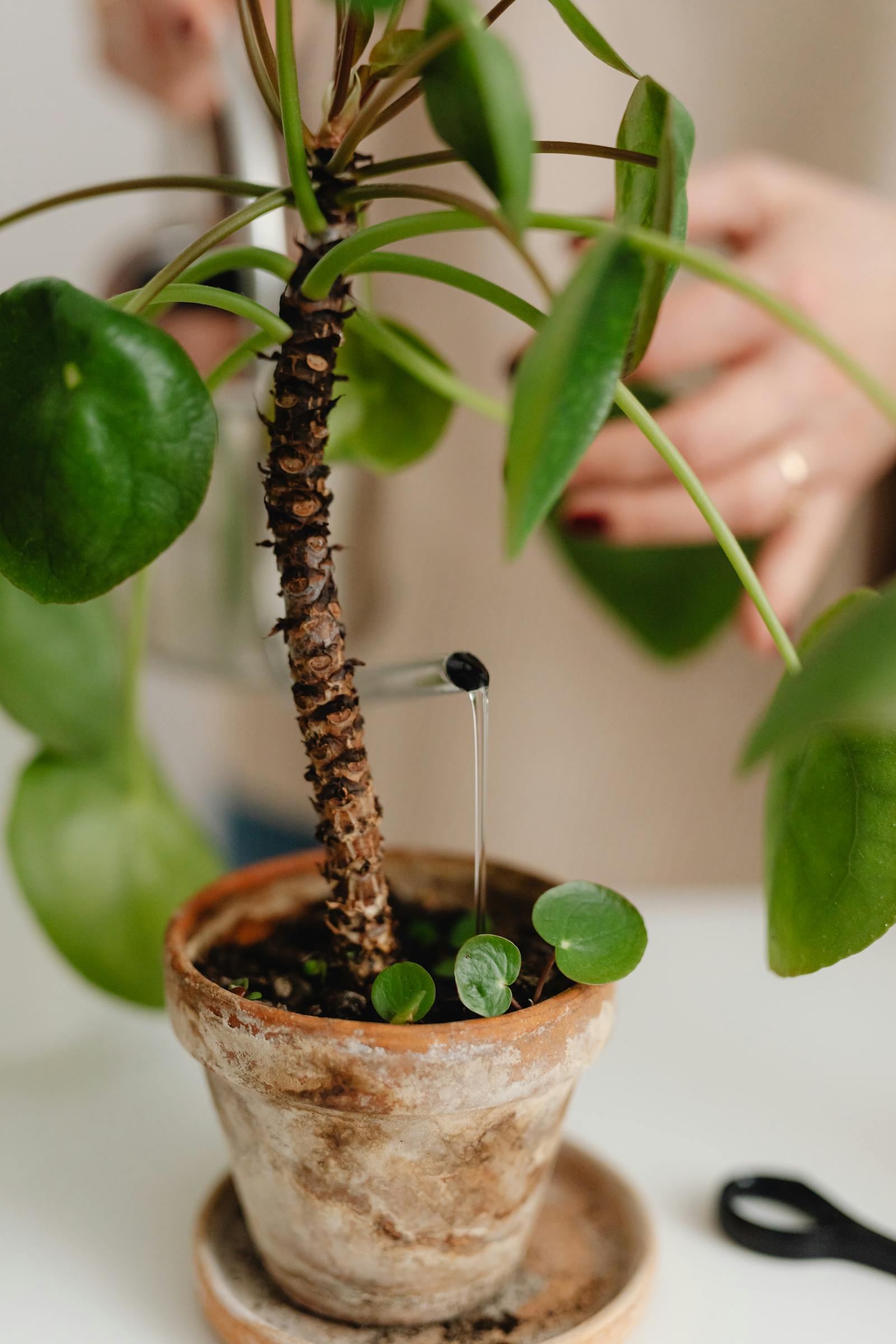
When you water, water until it runs out of the drainage holes at the bottom. This ensures the entire root ball gets moisture, not just the top layer.
Empty the Saucer
After watering, let the pot drain for ten to fifteen minutes, then empty any water that has collected in the saucer or cachepot. Roots sitting in standing water is one of the fastest paths to root rot.
Water the Soil, Not the Leaves
Direct water at the base of the plant, onto the soil surface. Watering over the top of foliage can promote fungal issues.
Bottom Watering
Bottom watering is a method where you place the pot in a basin of water and let the soil absorb moisture upward through the drainage holes via capillary action. It takes twenty to thirty minutes for most pots. This method ensures even moisture distribution and is especially useful for plants that dislike wet foliage.
Seasonal Adjustments
In spring and summer, most houseplants are actively growing. Plants use more water during this period. In fall and winter, growth slows or stops entirely. Water needs decrease significantly. This is the season when overwatering is most dangerous.
Signs You Are Overwatering
Soil that stays wet for more than a week. Yellowing leaves that feel soft and mushy. A musty or sour smell from the soil. Fungus gnats hovering around the pot.
Signs You Are Underwatering
Soil pulling away from the pot edges. Leaves wilting, curling inward, or feeling dry and papery. Crispy brown leaf edges. Slow or no new growth during the growing season.
The single best watering advice: check the soil. Not the calendar.
More Plant Notes
Rooting for more? Here's some more articles you might enjoy!