Plant shelves are the place where most people get stuck. The vision is clear: a beautiful, layered display of greenery. The reality is usually a row of pots in a line. The fix is not about buying more plants. It is about thinking in layers, heights, and texture.
Rule One: Vary the Height
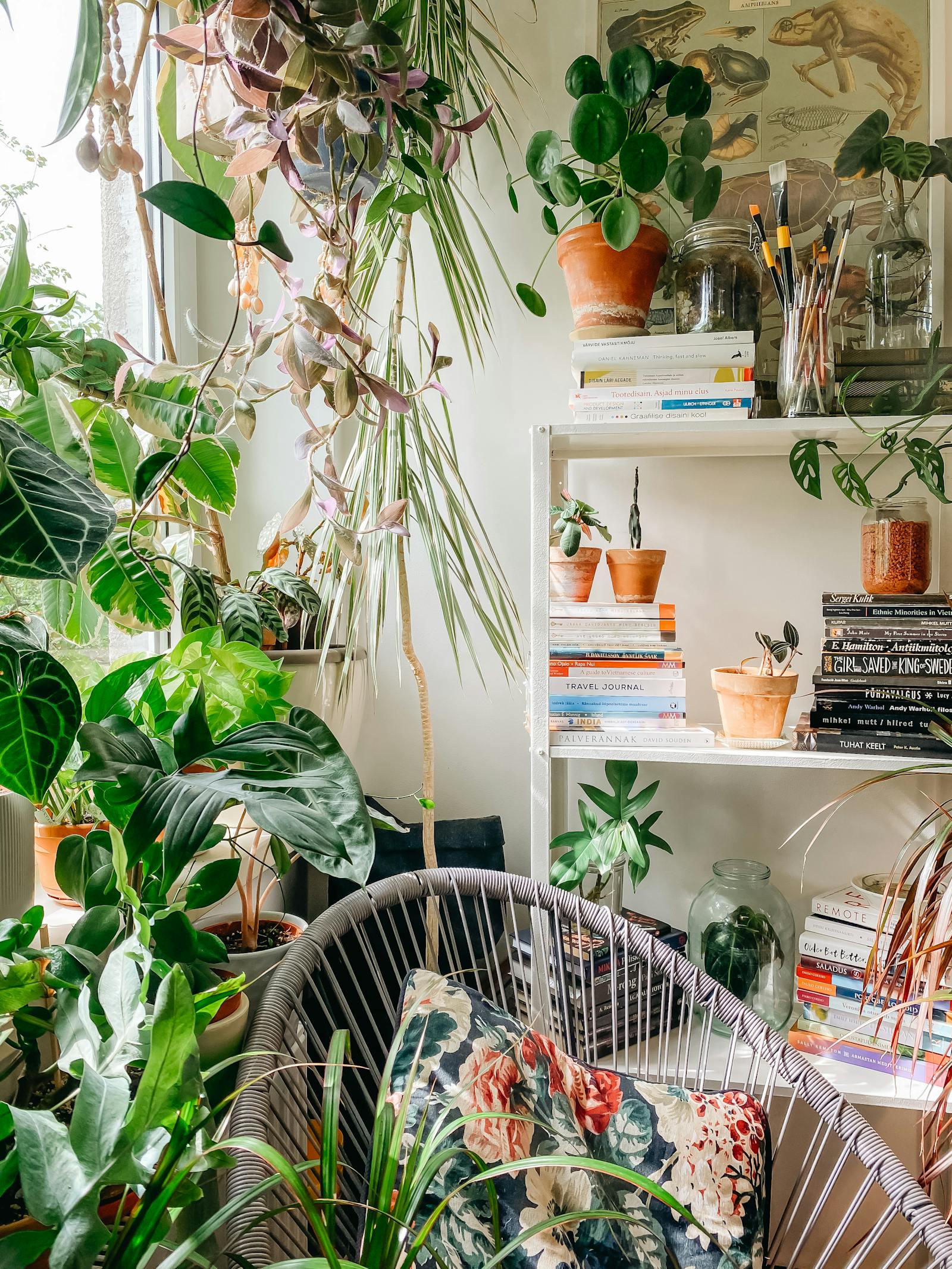
The single biggest improvement you can make is breaking the flat line. Place taller plants toward the back, shorter ones in front. Use risers to lift some plants above the shelf surface. The goal is creating a landscape, not a row.
Rule Two: Mix the Shapes
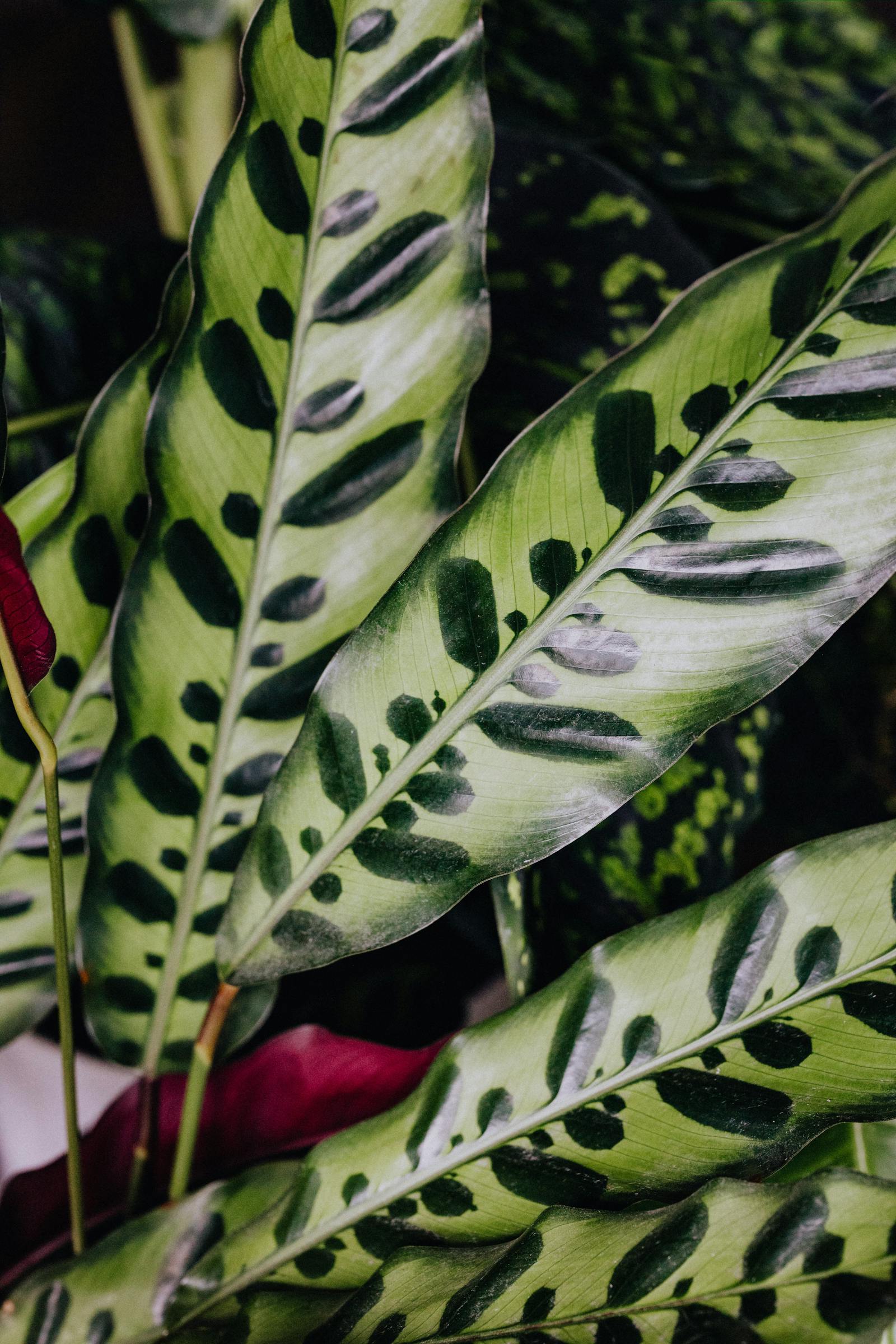
Put a trailing plant next to an upright one. A spiky succulent next to a rounded calathea. Contrast in form is what creates visual interest.
Rule Three: Odd Numbers
Groupings of three or five read as more natural and dynamic than groupings of two or four. Odd numbers feel like they happened organically.
Rule Four: Mix Pot Materials
Terracotta next to glazed ceramic next to a woven basket. Mixing materials adds texture and warmth. Keep the color palette cohesive though. Earthy tones play well together.
Rule Five: Let Things Trail
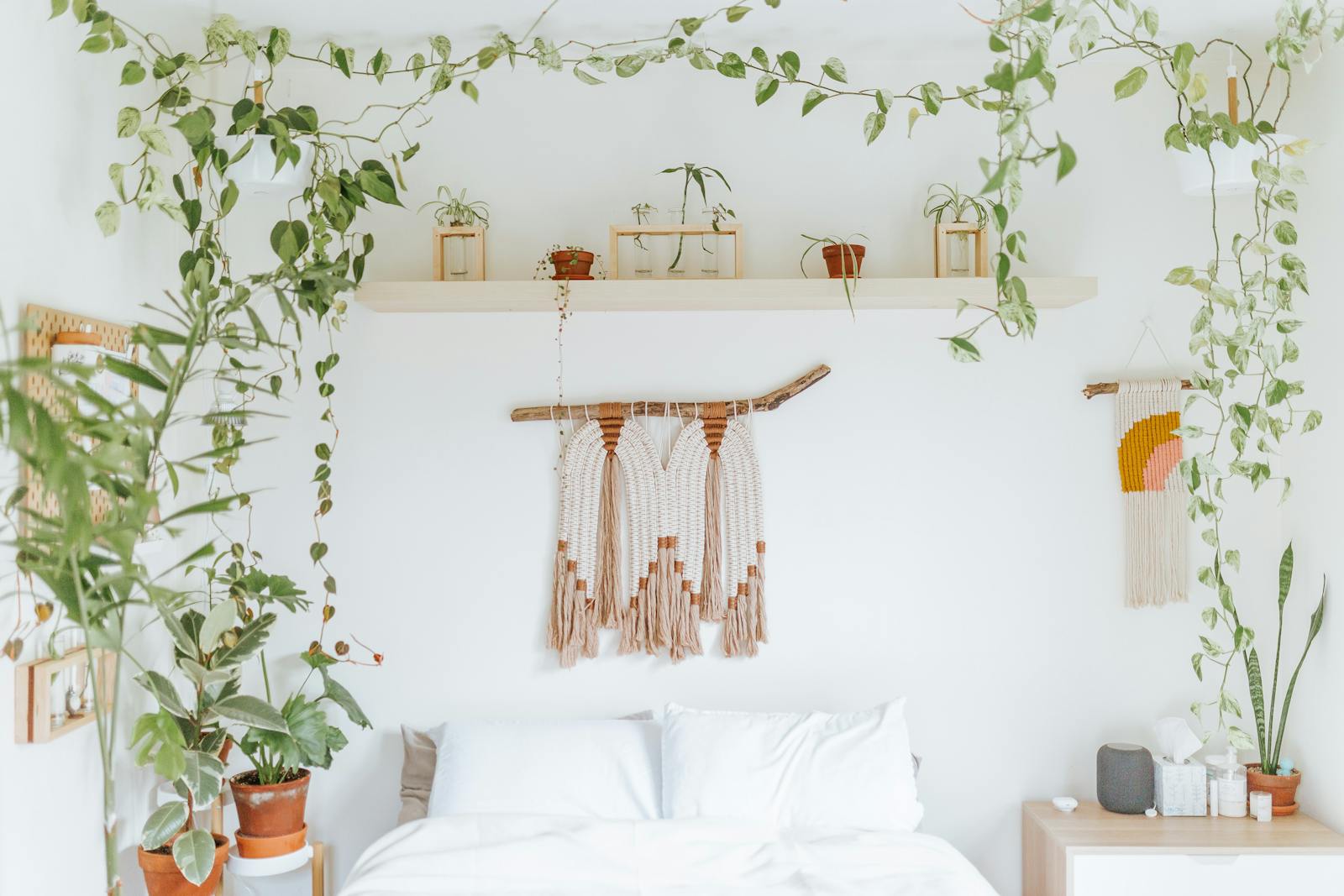
If you have a trailing plant, let it do its thing. Place it where the vines can cascade over the edge. Trailing foliage softens hard edges and connects the shelf to the space around it.
Rule Six: Leave Empty Space
Not every inch needs to be filled. Breathing room between plants lets each one stand on its own and prevents the arrangement from looking cluttered.
Rule Seven: Add a Non-Plant Object
A small piece of pottery. A candle. A rock. One or two non-plant objects ground the arrangement in the rest of the room. Keep it minimal. The plants are the stars.
The best plant shelves look like they happened naturally. They didn't. They just took five minutes of thinking before placing.
More Plant Notes
Rooting for more? Here's some more articles you might enjoy!