The shift from summer to fall happens slowly enough that most people miss it until a plant starts looking rough. Days shorten. Light angles drop. The air is changing, and your plants feel it before you do.
A little preparation in September and October can prevent a lot of November problems.
Move Plants Closer to Light
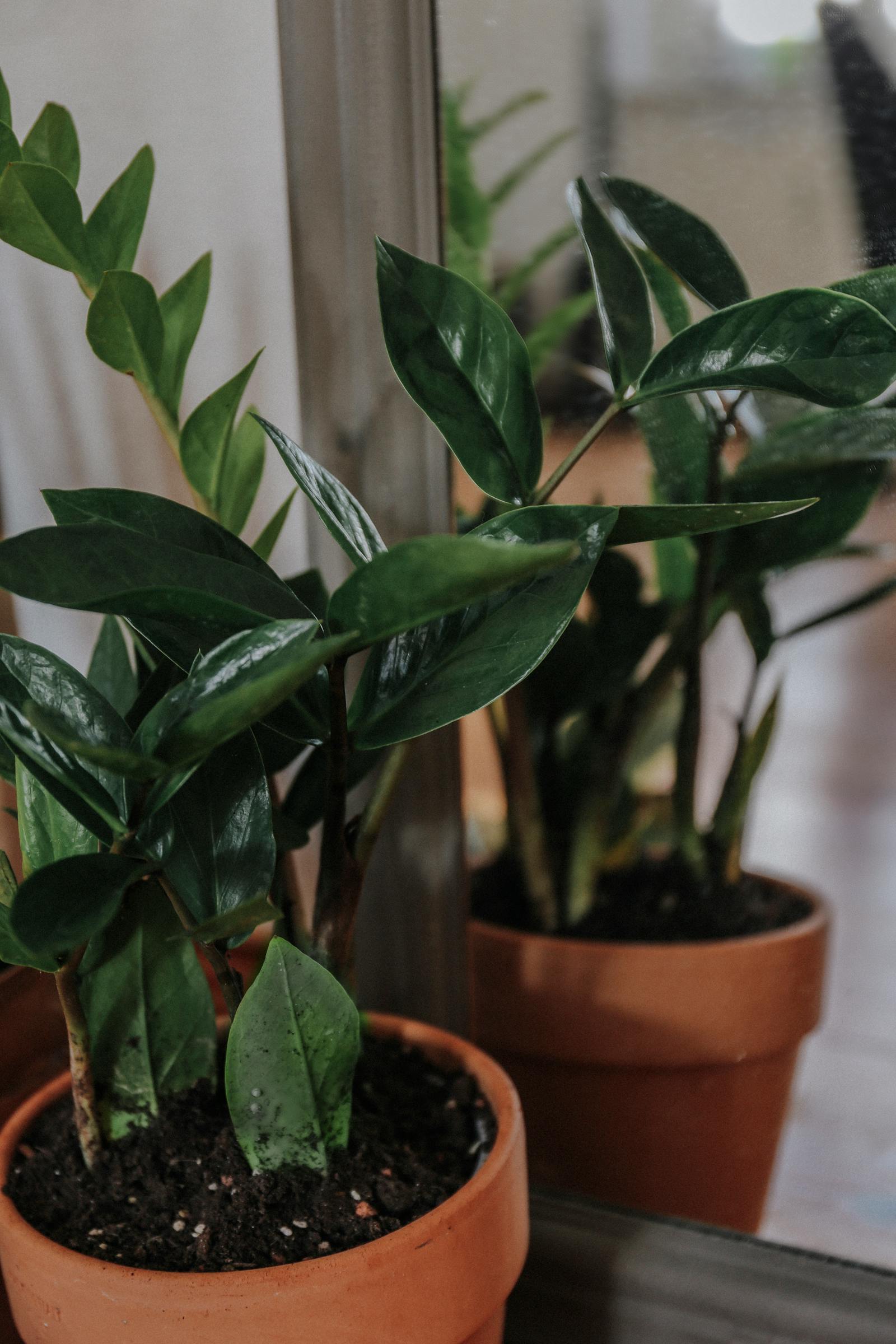
As the sun drops lower, the light reaching the interior of your home decreases. Consider moving plants closer to windows. Be cautious about placing plants directly against cold window glass though.
Clean the Leaves
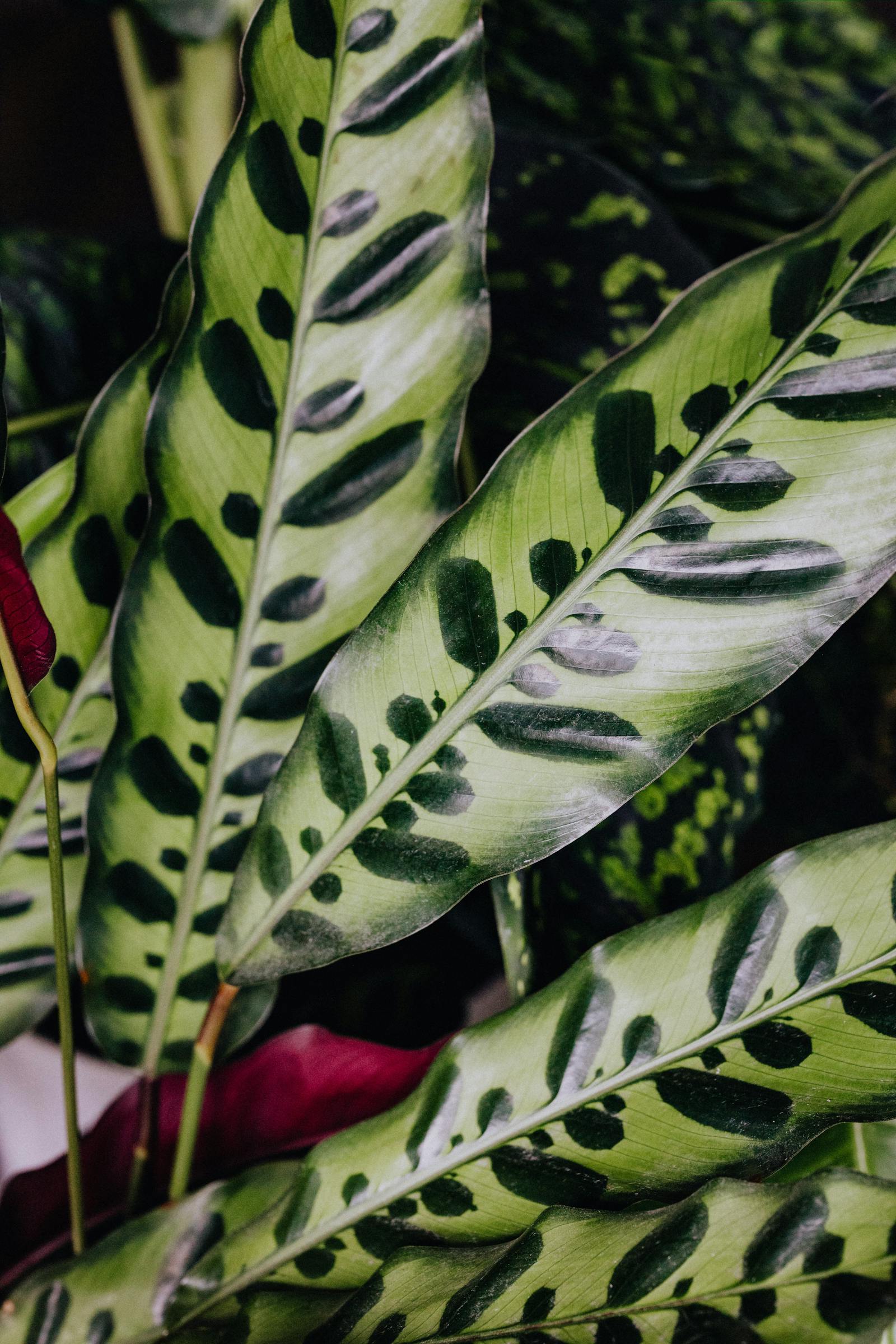
Dust accumulates on leaves and reduces light absorption. In fall and winter, every photon counts. Wipe leaves with a damp cloth. This also gives you a chance to inspect for pests.
Reduce Watering Gradually
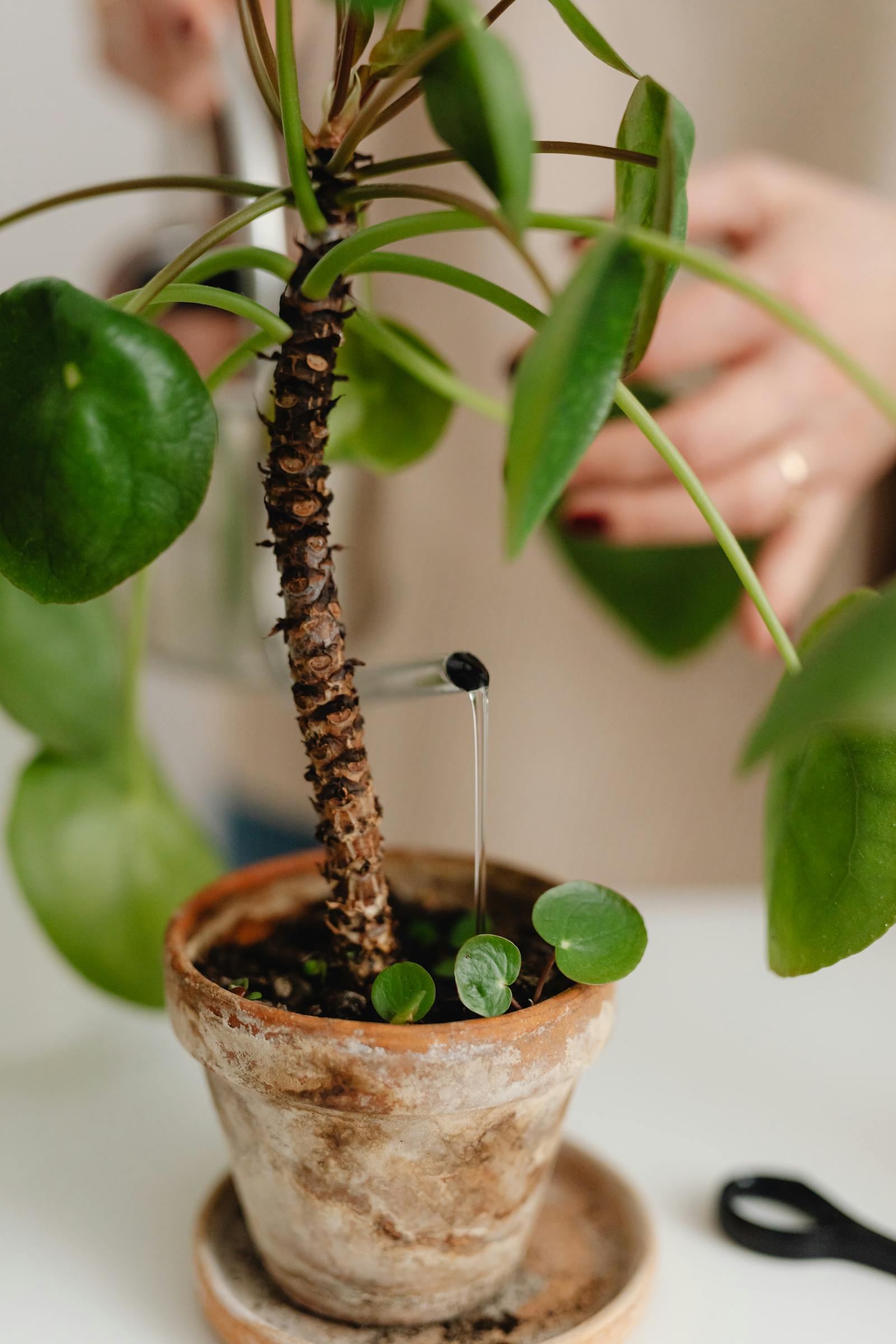
As light decreases and growth slows, the plant uses less water and soil dries more slowly. Extend the interval between waterings gradually. Overwatering in fall is one of the most common seasonal mistakes.
Stop Fertilizing
Most houseplants should stop receiving fertilizer by late September or early October. Excess fertilizer accumulates as salts and can damage roots. Resume feeding in early spring.
Check for Pests
The transition into fall is a common time for pest outbreaks. Spider mites thrive in drier air. Mealybugs and scale can appear on stressed plants. Inspect closely, especially undersides of leaves.
Do Not Repot
Fall is not the time unless there is a genuine emergency. Wait until spring.
Consider Humidity
As heating systems kick on, indoor humidity plummets. Set up humidifiers, create pebble trays, or group humidity-loving plants together. Do not wait until brown tips appear.
Fall is not the end of the growing season. It is the setup for a good winter.
More Plant Notes
Rooting for more? Here's some more articles you might enjoy!